
Direct answer
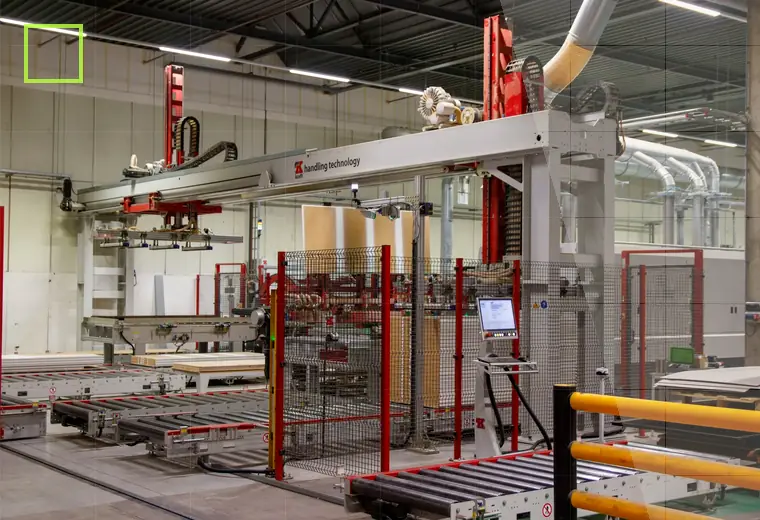
Guarding should prevent access to dangerous movement while allowing the machine to be operated, cleaned, changed and maintained safely. Frequent jams must be engineered out where possible. When access is needed, use a defined safe method with suitable stopping, isolation, tools, competence and verification before restart.
Key takeaways
- Identify every access need and foreseeable intervention.
- Match safeguards to hazard and task.
- Define and train safe clearing methods.
- Use jam data to improve reliability and safety.
Establish the legal and technical scope
Map where people load, inspect, clear, clean, adjust, change parts and maintain. Include access through conveyor openings, underneath machines and from platforms or adjacent equipment.
- Record jam type, location and frequency
- Identify access needed with and without power
- Include maintenance and contractor tasks
- Review bypasses and informal tools
Assess the actual machine, task and site
Fixed guards, interlocked guards, light curtains, scanners and other devices have different strengths and limitations. Check reach, stopping time, reset location, restart prevention and behaviour during faults.
- Verify safe distance and opening size
- Measure or validate stopping performance where relevant
- Prevent unexpected restart after guard closure
- Protect against ejected product and stored energy
Create and retain suitable evidence
Routine clearing should have a practical instruction stating machine state, isolation, tools, communication and restart checks. Complex or hazardous interventions may require formal lock-off and permits.
- Machine-specific clearing instruction
- Isolation-point and stored-energy information
- Training and competence record
- Safeguard inspection and defect record
Keep the control current
A safe procedure does not justify accepting recurring faults. Record the initiating condition and correct feeding, transfer, sensing, wear or format causes that drive intervention.
- Trend jams by product, location and shift
- Investigate guard openings and nuisance trips
- Control temporary guard changes
- Reassess after speed or pack changes
Comparison table
| Control area | Key question | Typical evidence |
|---|---|---|
| Scope | Identify every access need and foreseeable intervention. | Applicable legislation, standards and responsibility |
| Assessment | Match safeguards to hazard and task. | Risk assessment and verified safeguards |
| Records | Define and train safe clearing methods. | Drawings, declarations, tests and training records |
| Review | Use jam data to improve reliability and safety. | Change control, inspection and periodic review |
Free working templates
Download these files and adapt them to the actual machine, product, site and acceptance plan.
Official guidance and further reading
These sources provide the current regulatory or standards context. Always check the latest version before making a compliance decision.
Related buyer guides and tools
Relevant machinery and support routes
Use the guide to define the requirement, then compare the specialist routes below against representative product, packaging and output evidence.