
 Liquid filling
Why is thin free-flowing liquids production giving inconsistent results?
Variation usually begins with changing product or packaging conditions, unstable presentation, unsuitable settings or wear in the process.
See the checks →
Tell us what you are producing, the pack you use and the problem you can see. We will guide you to practical checks and the most relevant machinery options.
You do not need to know the machine name. Choose your product, pack, visible problem or industry and we will guide you to the closest checks and machinery options.
Choose liquids, powders, pieces, chemicals, foods and other product behaviours.
Start here →
Choose bottles, jars, pouches, cartons, films and closures.
Start here →
Browse inconsistency, jams, slow output, waste, cleaning, maintenance and quality.
Start here →
Find routes for food, drinks, cosmetics, pharmaceuticals, chemicals and contract packing.
Start here →Liquid fillingVariation usually begins with changing product or packaging conditions, unstable presentation, unsuitable settings or wear in the process.
See the checks → Liquid filling
Record the initiating fault, not only the final alarm, and convert recurring failures into controlled inspection, replacement and setup standards.
See the checks → Liquid filling
Cleaning must suit the product, materials, contamination risk and machine design. Use an approved method that reaches product-contact and trap points safely.
See the checks → Powders, granules and pieces
For aerated powders, review how bulk density, trapped air, settling and refill conditions affect feed and dosing. Compare representative material through the approved process before changing settings.
See the checks → Powders, granules and pieces
Automate when the current constraint, labour requirement, quality risk or capacity need can be measured and the automated process can be supported reliably.
See the checks → Capping and closures
Increase sustained good output by identifying the actual constraint, separating machine cycle time from handling time and removing the first recurring cause of waiting.
See the checks →Use the questions below to prepare the information needed for a useful recommendation.
We can review samples, dimensions, required output, measurements and video to identify the most suitable next step for your production line.
Use these guides to connect an observed production problem with project scope, budget assumptions, investment calculations and relevant compliance questions.
Compare installed cost, quotations, ownership, rental, used machinery and automatic line investment.
Open cost guides →Calculate OEE, required line speed, payback, downtime, giveaway, changeover and bottlenecks.
Open free calculators →Prepare PUWER, marking, ATEX, validation, 2D barcode and digital product record questions.
Open guidance →A problem record should distinguish what was observed from what is suspected. That makes the next check more focused and helps a machinery discussion address the cause instead of the last visible alarm.
Write down the product and pack, when the fault begins, the operating state and what happened immediately beforehand. Compare a good run with a failed run. Include replenishment, a format change, maintenance or a new material batch where relevant. Use safe observations and existing production records; do not bypass safeguards to obtain a view.
Choose a check that can distinguish two plausible explanations using the approved operating or maintenance method. Record the original condition, the authorised change and the result. For example, if output falls only after a particular material batch enters, retain that association for review rather than treating a faster machine setting as the answer.
Estimate the lost accepted output and identify whether the constraint is presentation, processing, inspection, changeover or removal of finished goods. At palletising, include load pattern, pallet supply and completed-load removal alongside the stacking movement. Use the evidence to decide whether the next step is a controlled adjustment, repair, trial or a new equipment scope.
Continue with Find checks by visible problem · Assess accepted output and line losses · Compare palletising machinery routes · Send the product, pack and fault record.
Record a comparable good run as well as the failed run: product batch, pack reference, settings, supply state and stage of the production cycle. A fault that follows replenishment may need a different investigation from one that appears only after a long run. Keep observations separate from an assumed cause.
Note where the sequence first differs from normal, what alarm or indication appears and what restores accepted output under the authorised procedure. A final queue or empty conveyor can be a consequence of an earlier event. Use safe observation and existing records; do not enter a hazardous area or bypass a safeguard to obtain a view.
Give samples, photographs and records a shared event reference. Retain the relevant material and format revision, elapsed running time and affected position or head where applicable. This helps distinguish repeated occurrences of one fault from several different problems being grouped under the same description.
Before an authorised adjustment or trial, state what result would support or weaken the suspected explanation. Keep the original condition and the result so unsuccessful changes are not repeated indefinitely. Use the visible-problem routes and accepted-output guidance, then send the evidence when specialist review is needed.
Use dedicated guides and calculators for the commercial, operational and regulatory questions that sit between a production problem and a machinery project.
Choose machinery, finance and a phased automation route for start-ups, small businesses and changing short-run production.
Open customer hub →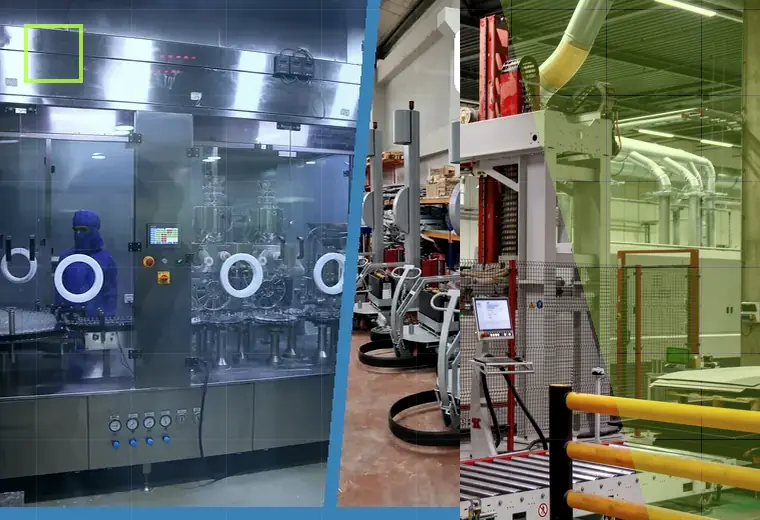
Measure capacity, reliability, yield, energy and root causes before choosing a production improvement project.
Open customer hub →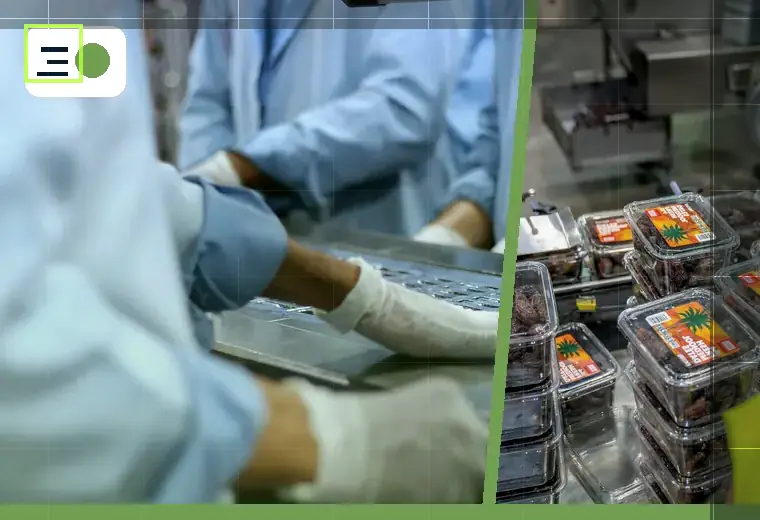
Plan vision, barcode, checkweighing, contaminant detection, reject verification and legal quantity checks.
Open customer hub →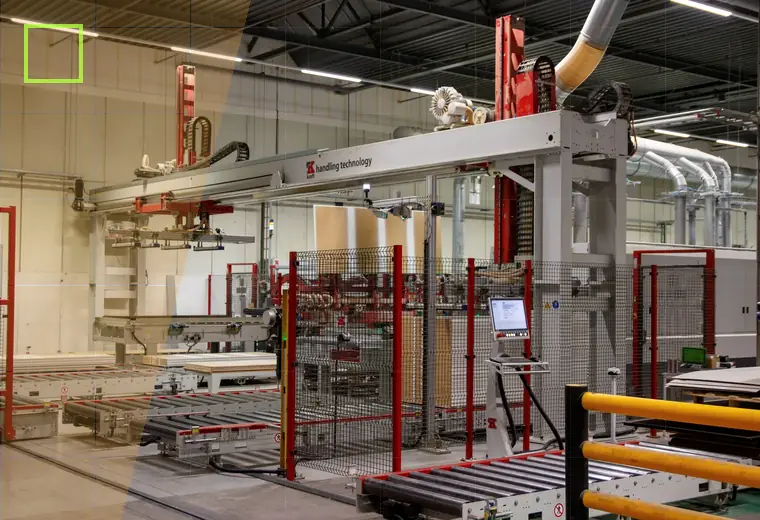
Connect machinery, conveyors and production data using controlled buffers, PackML, OPC UA and defined recovery behaviour.
Open customer hub →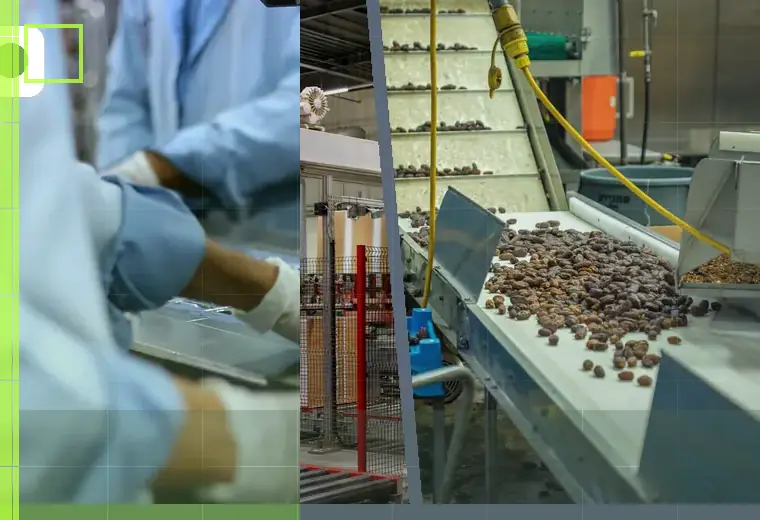
Prepare packaging data and production capability for EPR, Plastic Packaging Tax, DRS, PPWR and changing machinery requirements.
Open customer hub →Tell us what you are producing, the pack you use and the problem you can see. The secure form will route your question to the right production specialist.